

Written by Shruti Soni | Updated January 2026.
Plant pests and fungus aren’t rare in India. Like, we have unseasonal rains, heavy moisture, high temperature and pretty much everything to make a good pest breeding ground. So yes, using pesticides is a must. But then obviously you can’t go with the chemical ones since they burn your leaves, reduce fertility and what not! So, we need to shift to 100% organic pesticides!
Hi, I’m Shruti; a plant enthusiast and the unofficial caretaker of plants at home, work and in the society. In fact, I run a small herb corner in my office and keep experimenting with balcony pots, tubs and DIY terrariums at home. Over the last few years, I’ve tried multiple “organic” pesticides, wasted money on a few, and slowly figured out what actually works for real home plants.
And in this guide, I’ve compiled it all! Some of the ingredient lists, mistakes and which product has eventually won my trust after all this trial and error. So don’t miss the final revelation down there!

Top Insights
- Chemical residues can damage soil microbes, weaken root systems and affect the natural flavor of homegrown veggies. Organic pesticides, on the other hand, are biodegradable; they keep earthworms active, improve soil health and support long-term plant strength.
- Many products market themselves as 100% organic but include hidden chemical actives written in tiny fonts. So always check the ingredient list & alerts on the back label.
- Garden Genie’s ‘Plant Guard’ is one of the best organic pesticides to control and get rid of aphids, mealy bugs, jassids, whiteflies, larvae, powdery mildew & fungal diseases sustainably.
What Are Organic Pesticides for Home Gardening?

So basically, organic pesticides are plant-based pest repellers with active garlic, clove, neem or citrus oils in them. Thus, they break down naturally, don’t stay stuck on the leaves or get absorbed into the food we grow.
See, the thing is that even indoor home plants attract far more pests than we expect. Like, there’s fungus, there are sap-sucking aphids. And of course, mealy bugs and mites! Lots and lots of them! So yes, we do need good plant pesticides at home.
But then, we obviously don’t want the chemical ones, especially with kids and pets. In fact, even the World Health Organization (WHO) classifies them, especially those with organophosphates and pyrethroids, as carcinogens. And even if not cancer, they still cause allergies, liver and kidney issues in older people. In fact, studies suggest that chemical pesticides with ‘organochlorine’ might cause nerve damage and even death.
Hence, that’s exactly where organic pesticides become a smarter choice. They are safe to inhale, much safer for edible balcony gardens and flowers. And yes, they don’t even harm pollinators like bees, bugs & butterflies. What more can you even ask for?
What Makes an Organic Pesticide “100% Organic”? And Tips to Pick One!

Well, there might be dozens of self-claimed ‘100% organic’ pesticides available in the market. They might have this huge “100% organic” label, or even tons of neem leaves on the packaging. But do you know that the real truth lies on the ingredient list, not the front label.
And, after years trying and wasting money on ‘fake organic’ formulas, I’ve finally learnt what to look for! Here are some of my checkpoints:
1. Organic Pesticides Have NO Synthetic Chemicals
Well, it’s certainly a no-brainer. But if a pesticide is truly 100% organic, it will have plant or microbe-based ingredients. Hence, you’ll see things like neem oil, clove oil, garlic extract, citrus oil, microbial cultures (like Bacillus thuringiensis or Beauveria bassiana), emulsifiers from plant sources, and water. You should not see long, complex chemical names that have nothing to do with plants.
But that’s not all! Here are 2 easy ways to filter them out easily:
- Read the Active Ingredient List Carefully: You should not see any names like imidacloprid, chlorpyrifos, malathion, carbaryl, cypermethrin, lambda-cyhalothrin, glyphosate, mancozeb, carbendazim or anything described as a “pyrethroid”, “organophosphate”, “carbamate” or “systemic insecticide;” You are simply holding a chemical pesticide otherwise!
- Check the Inert Ingredients Section: If you see phrases like “petroleum solvent”, “light mineral oil”, “EC formulation”, “emulsifiable concentrate” or some unexplained percentages, the pesticide’s not organic.
So in short, all your ingredients must have a plant or natural microbe connection. If not, the pesticide isn’t fully organic; no matter how green the label looks!
2. Plant-Based Extracts (Neem, Clove, Garlic, Citrus Oil)
Most organic pesticides come straight from plants. So when you flip the bottle and read the label, you should see garlic extract, clove oil, citrus oil, neem extract, or any plant-based fatty acids in the active ingredients. If you don’t find them, you are not holding an organic pesticide, no matter what!
Caution: Remember that some brands put a big neem leaf on the front and then sneak chemical insecticides on the back in tiny alphabets. So don’t stop reading after spotting one plant word. Always check the entire list.
3. Organic Pesticides Are Biodegradable & Break Naturally
See, 100% organic pesticides come from plants. So, they decompose with microbe & earthworm activity and release simpler, plant soluble compounds back to the soil. Thus, they eventually add organic matter back, improve soil structure and root health drastically. In fact, we at Archwhispers even observed stronger stem, taste and flowering in our herbs, once we switched to a 100% organic pesticide like Garden Genie’s plant guard!
Hence, if you are growing your own herbs like us, it’s better to use something the soil can digest rather than struggle against. And honestly, Plant Guard is one of our top recommendations for that!

4. Organic Pesticides are Safe for Repeated Use
If you are a home gardener like us, you’ll know that aphids, mites and mealy bugs are literally a pain in the ass! Like, they don’t just leave forever in one spray. Basically, they’ll come again with humidity, new growth and season changes. And if you do dare to use chemical pesticides each time, you’ll end up with burnt, weak plants for sure!
But thankfully, organic pesticides are the savior here! Like since they have only plant-based actives and biodegradable ingredients, you can spray them weekly without worrying! And, you can freely use them on indoor plants, herbs, floral plants, anything! That’s the confidence ‘100% organic’ gives you!
5. Safe for Beneficial Insects & Indoor Environments
Last, but not the least, remember that 100% organic pesticides care about the environment. Like, they only target the insects that actually damage your plants and leave pollinators like bees, bugs alone! Plus, they don’t release toxic fumes or chemical vapors; so you can use them indoors, even on the plants right next to your sofas, windows and kitchen counters. They won’t harm in any way!
Quick Tip: Always avoid spraying flowers directly when blooms are open. Instead, spray only the foliage where pests actually feed and hide; say under the leaves, stems and buds.
What Are the Main Differences in Chemical vs Organic Pesticides?

Now, we already know that organic pesticides have far better ingredients and workability than chemical ones do. But let’s check some more points in the table below:
| Parameter | Organic Pesticides | Chemical Pesticides |
| Composition | Plant-derived extracts like neem oil, clove oil, garlic, citrus, microbial cultures | Synthetic compounds like imidacloprid, chlorpyrifos, pyrethroids |
| Method of Operation | Natural repellents and growth disruption; pests die gradually but safely | Fast-acting nerve toxins; pests die quickly but with strong side effects (for both plants and humans) |
| Residue | Biodegrades into simpler compounds; boosts soil health | Residues remain in soil and on leaves; causes toxic build up with time |
| Effect on Edible Greens | Safe for herbs, leafy vegetables, floral plants, everything | Might affect the nutritional value of fruits and herbs |
| Health Analysis | No harmful fumes; safe for spraying near children and pets | Fumes and aerosols may irritate eyes, lungs; not suitable for enclosed spaces |
| Impact on Beneficial Insects | Protects bees, ladybugs, butterflies | Kills beneficial insects and pollinators too |
| Long-term Plant Health | Supports natural immunity; roots and soil improve with time | Plants may become pesticide-dependent; soil microbes decline |
| Water and Soil Contamination | Minimal environmental footprint | Can contaminate water sources and damage long-term soil fertility |
| Use frequency | Safe to use weekly | Limited use; might cause burns, toxicity, and pest resistance in excess |
| Label Transparency | Clear plant names and traceable ingredients | Often hides harsh chemicals in “other ingredients” section |
So now that you know the key differences in chemical and organic pesticides, I hope you’ll check the ingredient labels and choose wisely. But if you don’t want to spend time doing that, here’s a product you can trust blindly. And it’s Garden Genie’s Plant Guard, obviously!
What is Plant Guard?

So, Plant Guard is Garden Genie’s (my personal favorite by the way!) 100% organic pest-control spray that works on preventing & controlling insects, fungus & soil issues altogether. It’s like that one product that actually fits what I expect from real, 100% organic pesticides. Here are some of its top features:
Here are some of its top features:
- Triple Protection, One Spray: It works as an all-in-one pesticide + insecticide + fungicide and controls all those aphids, mealy bugs, jassids, whiteflies, larvae & fungal infections like a pro! Hence, there’s literally no need of using & stocking multiple products.
- Kills Pests Naturally: Plant Guard eventually helps control common garden pests like aphids, mealy bugs, thrips, fruit borers, and mites using plant-based actives. So, it doesn’t burn or react with your plants directly.
- Safe for Edible and Indoor Plants: It leaves no toxic, sticky or smelly chemical residue. So, you can use it freely on your edible plants & herbs, especially around pets and kids.
- Stops Fungus & Rot: So, Plant Guard helps prevent fungal problems, say powdery mildew, leaf rot, and root fungus. Thus, you have fewer recurring infections and healthier plants in the long run.
- Boosts Plant Immunity: Beyond treating pests and diseases, the product helps strengthen your plants. Like, it eventually makes them stronger, greener and resilient.
- Plant-Based Actives Only: This one has actual clove, garlic and citrus extracts; So your soil, roots and beneficial pollinators eventually stay safe
- Can Be Used Regularly: You can use them weekly; it won’t burn the plants and microbes. In fact, I’ve observed that my plants looked lush, healthier and shiny when I began using it consistently.
- No Foul Chemical Smell: Only mild herbal scents with this one; so no headache, no dizziness and no eye burning!
A Quick Personal Testimonial

You know, my hibiscus plant got a lot of mealy bugs this monsoon. Even on the buds. So eventually, the flowers weren’t opening and kept falling off. And since this plant sits right outside my bedroom window, I really didn’t want to spray chemicals near the space where I sleep.
Around that time, I came across Plant Guard. I started using it once a week on Sundays, exactly as instructed, i.e 2–3 ml per liter of water and sprayed the stems, the undersides, and the buds properly. By the second or third spray, I could actually see cleaner new growth and no plump white pests. Within a month, the flowers were back. And they’re obviously open, bright, and honestly healthier than before.
So yes, organic pesticides do take some patience. But they help the plant bounce back in a much better way. But yes, if your plant’s severely infected, especially at the roots, I suggest you isolate and prune it first. Organic pesticides should then support the recovery, not act as the only solution.

FAQs
Conclusion
So as you saw above, choosing 100% organic pesticides is honestly a task in India! You’ll see neem leaves and “organic” stickers proudly printed in huge bold letters on the front. But sadly, most of them have hidden chemicals mentioned in really small fonts on the back. It’s annoying. And tricky. And unfair to people who are actually trying to do the right thing for their home plants.
But at least now, you know what to look for. And what to avoid.
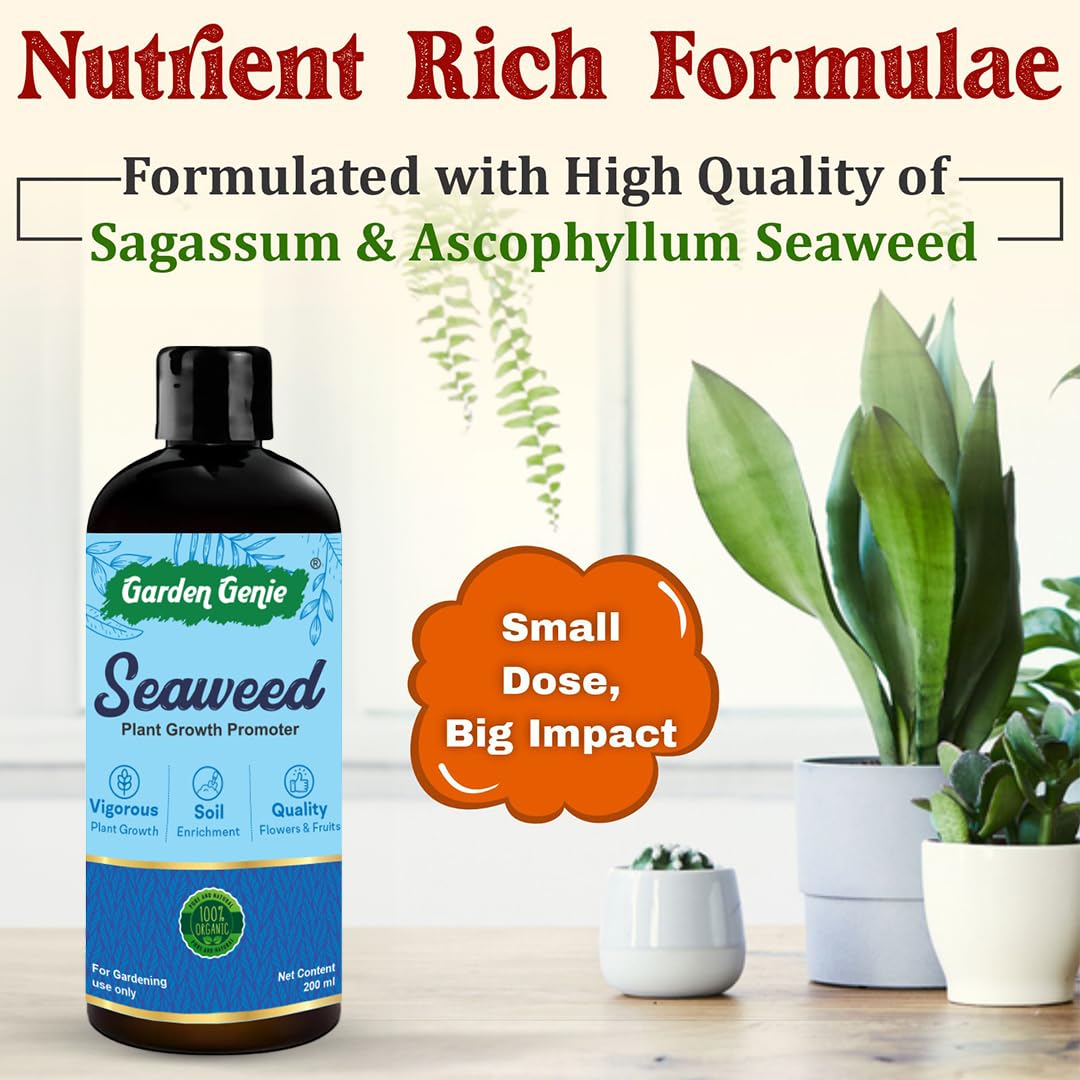
Personally, after wasting enough money on products that did nothing (or did more harm), I’ve stuck to Garden Genie’s Plant Guard. It’s a completely 100% organic pesticide made with garlic, clove, and citrus extracts. It’s safe for indoor plants, edible plants, and even bees and other beneficial pollinators. And, if you like how it works, you can also try their seaweed fertilizer or soil-less potting mix. I’ve been using those for quite a while now, and have loved the results. I’m adding the shopping link below in case you want to check it out too!


About the Author – Shruti Soni
Writer, Editor & Strategist at Archwhispers | thearchwhispersblog@gmail.comTrained through hands-on work with content audits, keyword strategy, and site optimization.
Experienced in building blog structures & conversational writing for EEAT
4+ years of experience in content planning, editing, and traffic growth across niches.
Content & SEO Strategist at Archwhispers for strategy & story-telling


